Why Cathedral District Basements Are Different
The Cathedral District in Bismarck is one of the city's most cherished neighborhoods, filled with Victorian-era homes and early 20th-century craftsmanship that give the area its unmistakable character. But that same charm comes with a hidden challenge: many of these homes sit on fieldstone or early poured concrete foundations that were never designed to handle modern water management. If you own a historic home here, you have probably already noticed the signs, from damp corners in the spring to the faint musty smell that never quite goes away.
Fieldstone foundations, common in homes built before the 1930s, were assembled from stacked stones held together with mortar. Over time, that mortar erodes, the stones shift, and water finds its way through the gaps. Unlike modern foundations with weeping tile and waterproof membranes, these old structures rely on gravity and luck. Understanding how your foundation was built is the first step toward protecting it without damaging its historic integrity.
Common Signs of an Old Foundation Leak
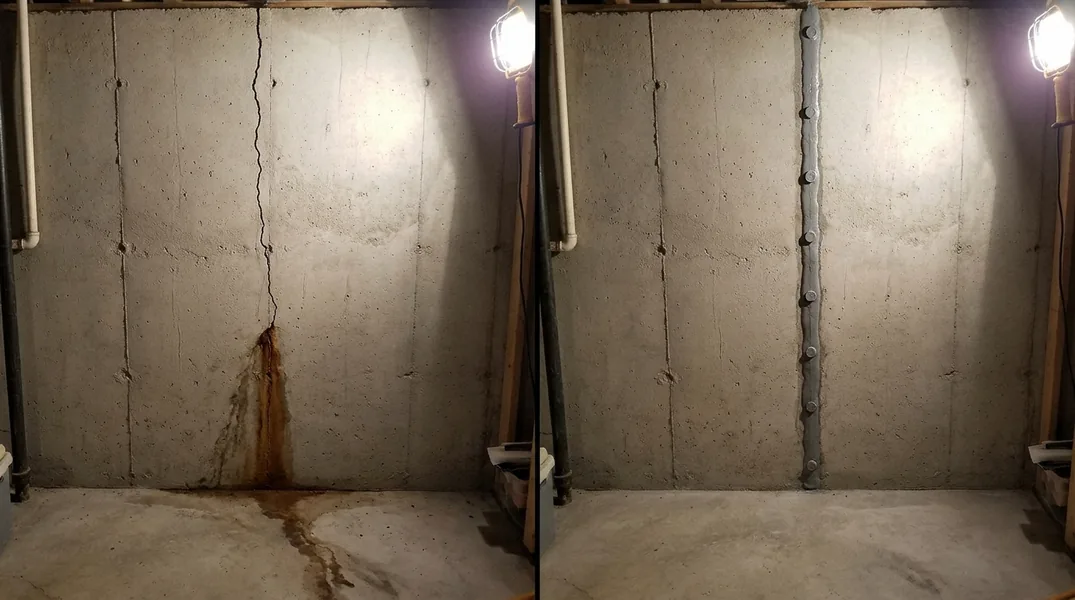
Water in a historic basement rarely announces itself dramatically. More often, it shows up as a white powdery residue on the walls (efflorescence), dark staining near the floor line, or a persistent dampness that worsens after heavy rain or spring snowmelt. In Downtown (Bismarck) and the surrounding Cathedral District, the freeze-thaw cycle puts extra stress on old masonry, opening hairline cracks that widen season after season.
You might also notice that your basement feels colder and more humid than it should, or that stored items develop mildew. These are classic symptoms of an old foundation leak that has been quietly worsening for years. Ignoring them rarely works, because water always finds the path of least resistance. The good news is that historic home basement waterproofing has come a long way, and modern techniques can preserve the look and structure of your foundation while finally keeping it dry.
Fieldstone Foundation Repair and Repointing
One of the most important steps in caring for a fieldstone foundation is repointing, which means removing deteriorated mortar and replacing it with a compatible lime-based mix. This is not a job for standard Portland cement, which is too hard and can trap moisture inside the stones, causing them to crack during freeze-thaw cycles. Proper foundation repointing restores the wall's structural integrity and allows it to breathe, which is essential for historic masonry.
Beyond repointing, fieldstone foundation repair may involve stabilizing loose stones, filling voids, and addressing areas where the foundation has settled. A professional assessment will tell you whether your foundation needs localized repairs or a broader stabilization plan. For homeowners in Mandan and Bismarck, working with a contractor who understands historic construction is critical, because the wrong repair can do more harm than good.
Waterproofing Without Compromising Historic Character
Modern Basement Waterproofing does not have to mean excavating your entire yard or covering your foundation in plastic. For many historic homes, an Interior Drain Tile System is the least invasive and most effective solution. It captures water at the base of the wall and directs it to a sump pump, keeping the basement dry without altering the exterior appearance of your home.
In some cases, Exterior Basement Waterproofing may be appropriate, especially if the foundation is being repaired or if exterior drainage is poor. A full Foundation Waterproofing plan might combine repointing, drainage improvements, and crack sealing to address the problem from multiple angles. The right approach depends on your foundation type, the severity of the leaks, and your long-term goals for the home.
Basement Waterproofing Near Me: When to Call a Pro
If you have tried patching cracks yourself or noticed that water returns every spring, it is time to bring in a professional. DIY fixes rarely address the root cause of an old foundation leak, and they can sometimes make things worse by trapping moisture. A qualified contractor will inspect your foundation, identify the source of the water, and recommend a solution that respects your home's historic character.
Bismarck Waterproofing specializes in historic home basement waterproofing and has worked with many homeowners in the Cathedral District and surrounding neighborhoods. If you are unsure where to start, a free estimate is the easiest way to get clear answers. Call (701) 450-3689 to schedule an inspection and learn what it will take to keep your basement dry for years to come.
Basement Waterproofing Cost in Bismarck: What to Budget
Every historic home is different, so there is no single pricing answer for basement waterproofing in Bismarck. Factors like foundation type, the extent of damage, and the chosen solution all affect the final cost. Repointing a small section of fieldstone wall is typically less expensive than installing a full interior drain tile system, but both are investments in the long-term value and comfort of your home.
Rather than guessing, the best approach is to get a detailed assessment and a written quote. Bismarck Waterproofing provides transparent estimates with no surprises, so you can plan your project with confidence. Whether you need minor fieldstone foundation repair or a complete waterproofing system, the goal is the same: a dry, healthy basement that preserves the historic charm of your Cathedral District home.
Looking for a professional basement waterproofing contractor in Bismarck? Bismarck Waterproofing responds fast for all your basement waterproofing needs.
Get a Free QuoteOur services: Basement Waterproofing · Interior Drain Tile System · Exterior Basement Waterproofing